A standard walker is one of the most effective mobility aids available for individuals who need extra support while walking. Designed with four sturdy legs and a lightweight frame, this walking aid provides excellent balance and stability for seniors, rehabilitation patients, and people experiencing mobility challenges. Unlike walkers with wheels, a standard walker offers maximum control because all four legs remain firmly positioned on the ground before each movement.
Mobility limitations can affect individuals due to aging, surgery, injury, arthritis, neurological conditions, or general weakness. In these situations, maintaining independence becomes a priority. A standard walker helps users move safely from one place to another while reducing the risk of falls and injuries. Its dependable design makes it one of the most commonly recommended mobility support devices by healthcare professionals and physical therapists.
The popularity of the standard walker continues to grow because of its simplicity, reliability, and effectiveness. Whether used inside the home, in rehabilitation centers, or during recovery from medical procedures, this mobility aid helps individuals regain confidence and improve their quality of life. By offering strong support and dependable balance assistance, a standard walker allows users to remain active and engaged in their daily routines.
Benefits of Using a Standard Walker
One of the primary reasons people choose a standard walker is the exceptional stability it provides. Since the walker has four non-slip legs instead of wheels, users receive continuous support with every step. This feature is especially valuable for individuals who have significant balance concerns or require maximum assistance while walking.
A standard walker can also help reduce the fear of falling. Many seniors and rehabilitation patients experience anxiety about moving independently due to concerns about losing balance. The sturdy frame of a standard walker creates a secure walking environment that promotes confidence and encourages greater mobility. As users become more comfortable, they are often more willing to participate in social activities, household tasks, and outdoor movement.
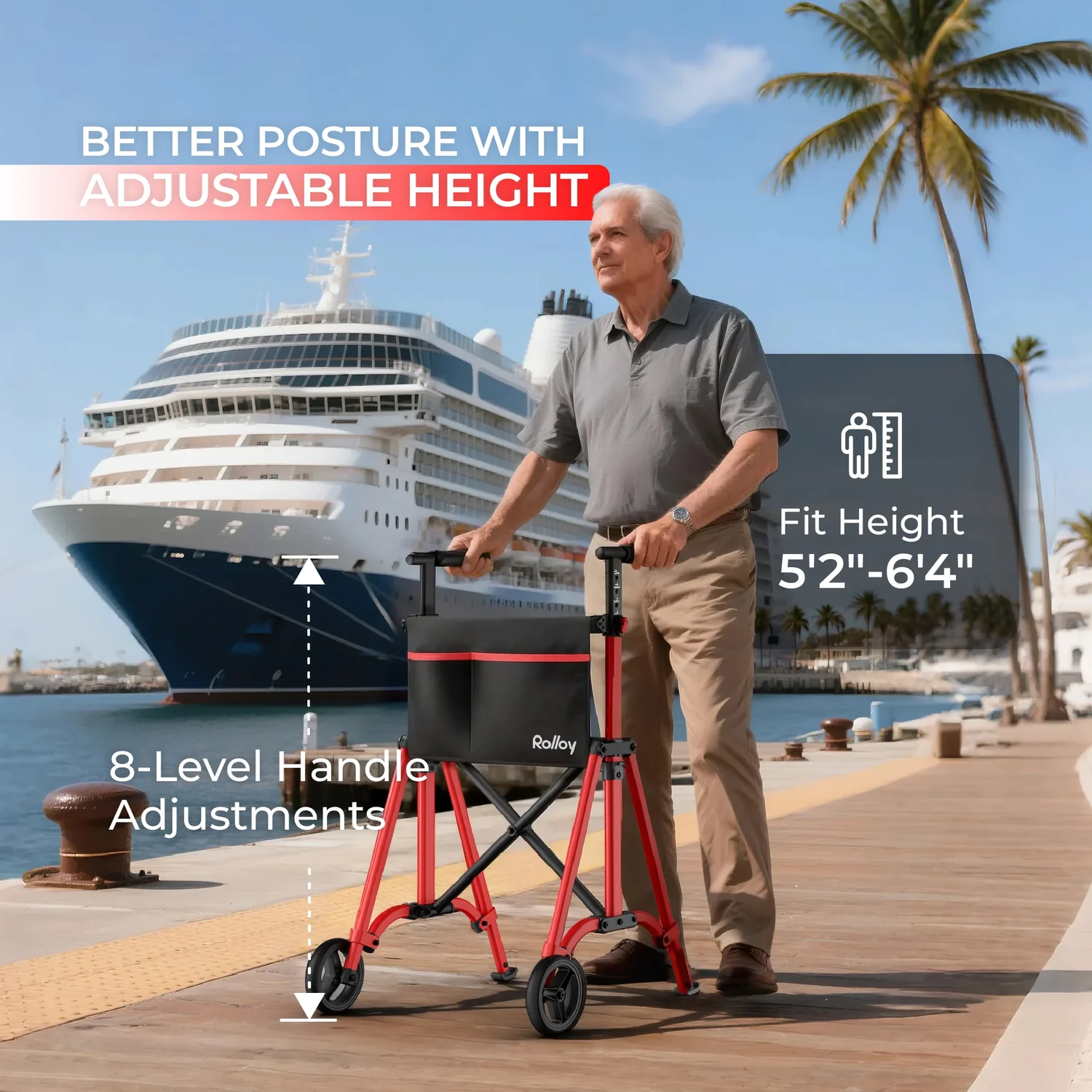
Another important benefit is improved posture. Many modern standard walkers include adjustable height settings that allow users to customize the device according to their specific needs. Proper walker height supports a natural walking position and reduces strain on the shoulders, neck, and lower back. Comfortable hand grips further enhance the user experience by minimizing pressure on the hands and wrists.
The standard walker is also known for its durability and affordability. Constructed from strong materials such as aluminum, these walkers are designed to withstand regular use while remaining lightweight and easy to handle. Compared with more advanced mobility devices, a standard walker often represents a cost-effective solution that delivers long-lasting performance.
Healthcare providers frequently recommend standard walkers during rehabilitation programs because they support safe movement while encouraging gradual strength development. Whether recovering from knee replacement surgery, hip surgery, fractures, or other conditions, users can benefit from the stability and control this mobility aid provides.
Features That Make a Standard Walker Effective
The effectiveness of a standard walker is largely due to its practical design and user-focused features. Most models feature lightweight aluminum frames that provide strength without adding unnecessary weight. This balance between durability and portability makes the walker easier to lift and maneuver during daily use.
Adjustable height settings are among the most valuable features available. Proper adjustment ensures that users can maintain an upright posture while walking, improving both comfort and safety. An incorrectly sized walker may cause discomfort or place unnecessary stress on the body, making height customization an important consideration.
The four-leg design is another defining characteristic of the standard walker. Each leg typically includes a rubber tip that helps prevent slipping and enhances traction on different surfaces. This design allows users to navigate hardwood floors, tile surfaces, carpets, and outdoor walkways with greater confidence.
Many standard walkers also include foldable frames for easier storage and transportation. This feature is particularly beneficial for users who travel frequently or need to transport their walker to medical appointments and social events. A foldable walker can fit conveniently into a vehicle while remaining ready for use whenever needed.
Comfort-oriented features such as ergonomic hand grips and reinforced support structures contribute to a more positive user experience. These enhancements help reduce fatigue and make the walker more comfortable for extended periods of use. As a result, users can remain active throughout the day without excessive strain.
Choosing the Right Standard Walker
Selecting the ideal standard walker requires careful evaluation of personal mobility needs and physical requirements. Height adjustment should always be one of the first considerations because proper fit directly affects comfort and safety. Users should be able to stand naturally while gripping the walker handles with a slight bend in the elbows.
Weight capacity is equally important when choosing a mobility aid. Different standard walker models are designed to support varying body weights, making it essential to select a model that matches individual needs. A properly rated walker provides dependable support and helps ensure long-term durability.
Lifestyle factors may also influence the decision-making process. Individuals who primarily use the walker indoors may prioritize compact design and easy maneuverability, while those who travel frequently may prefer a foldable and lightweight option. Understanding daily mobility requirements can help users select a walker that aligns with their routine.
Consulting a healthcare professional is often beneficial before making a purchase. Physical therapists and medical specialists can assess mobility challenges and recommend the most appropriate walker based on specific conditions and recovery goals. Their guidance helps ensure that users receive the support necessary for safe and effective movement.
Routine maintenance is another essential aspect of walker ownership. Regularly inspecting rubber tips, frame connections, and adjustment mechanisms helps maintain performance and safety. Proper care extends the lifespan of the walker and ensures consistent reliability during everyday use.
Conclusion
A standard walker remains one of the most dependable mobility aids for individuals seeking enhanced stability, safety, and independence. Its strong four-leg design, adjustable features, and reliable support make it an excellent choice for seniors, rehabilitation patients, and anyone facing mobility challenges. By promoting confidence, reducing fall risks, and encouraging active movement, a standard walker plays a vital role in improving daily life and supporting long-term mobility with comfort and security.